Prosthetic Dental Implants
What Are Prosthetic Dental Implants?
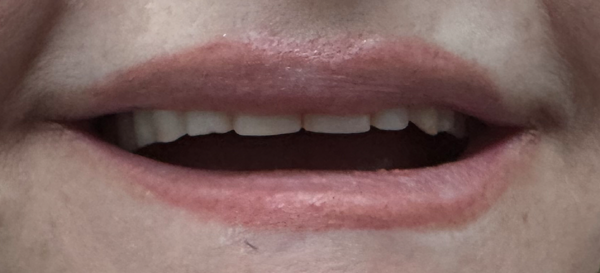
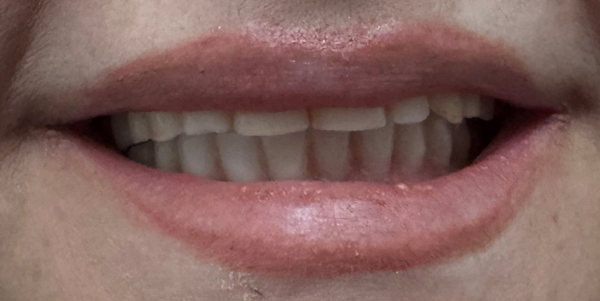
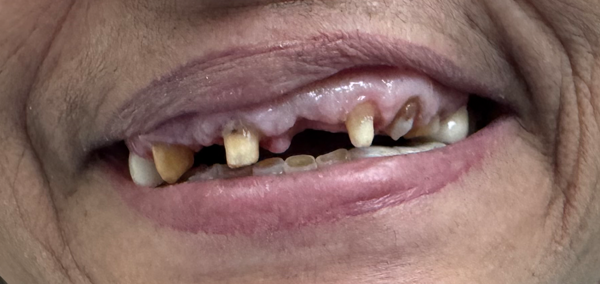
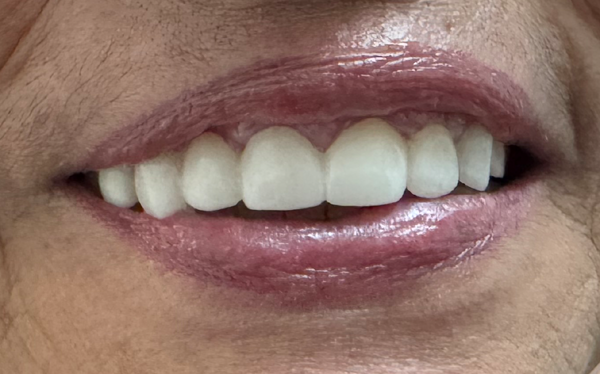
Prosthetic dental implants are a modern solution for replacing missing teeth. They combine a dental implant—a small, screw-like post placed into the jawbone—with a prosthetic tooth or teeth (such as a crown, bridge, or denture).
This combination creates a replacement that looks, feels, and functions very much like natural teeth. Unlike removable dentures, implant-supported prosthetics are firmly anchored in place and can last for many years.
Types of Prosthetic Implants
-
Single Tooth Replacement – An implant topped with a custom crown to replace one missing tooth.
-
Implant Bridges – A bridge supported by implants to replace several missing teeth in a row.
-
Implant Dentures – Dentures that “snap on” to implants for extra stability, making them more secure than traditional removable dentures.
-
Fixed Full-Arch Implants (All-on-4 or All-on-6) – A permanent set of teeth anchored to just a few implants, often used for patients missing most or all of their teeth.
Benefits of Implant-Supported Prosthetics
-
Strong and Stable – They don’t slip or shift when eating or speaking.
-
Look and Feel Natural – Designed to match your natural teeth in color and shape.
-
Protect Your Jawbone – Implants help prevent bone loss that usually happens after losing teeth.
-
Long-Lasting – With good care, implants can last decades.
-
Boost Confidence – You can smile, talk, and chew comfortably without worrying about loose dentures.
Who Can Get Dental Implants?
Most healthy adults are good candidates. The best candidates:
-
Have healthy gums and enough bone to support the implant
-
Don’t have uncontrolled medical conditions that affect healing
-
Are willing to maintain good oral hygiene
Even if you’ve been told you don’t have enough bone, treatments like bone grafting can sometimes make implants possible.
How the Process Works
-
Consultation & Exam – The dentist checks your mouth and takes X-rays or scans.
-
Implant Placement – A titanium post is placed into your jawbone.
-
Healing Phase – Over the next few months, the implant bonds naturally with the bone (a process called osseointegration).
-
Attaching the Prosthetic – Once healed, the custom-made crown, bridge, or denture is placed on top of the implant.
Caring for Your Implants
Taking care of implant-supported prosthetics is similar to caring for natural teeth:
-
Brush and floss daily
-
See your dentist regularly for checkups
-
Avoid smoking, which can affect healing and long-term success
With proper care, your implants can last a lifetime.
Why They’re Worth Considering
Prosthetic dental implants are one of the most reliable and natural-looking ways to replace missing teeth. They help restore your smile, protect your oral health, and improve quality of life.